Travel guide
Lisbon, Portugal Travel Guide
Researched guide
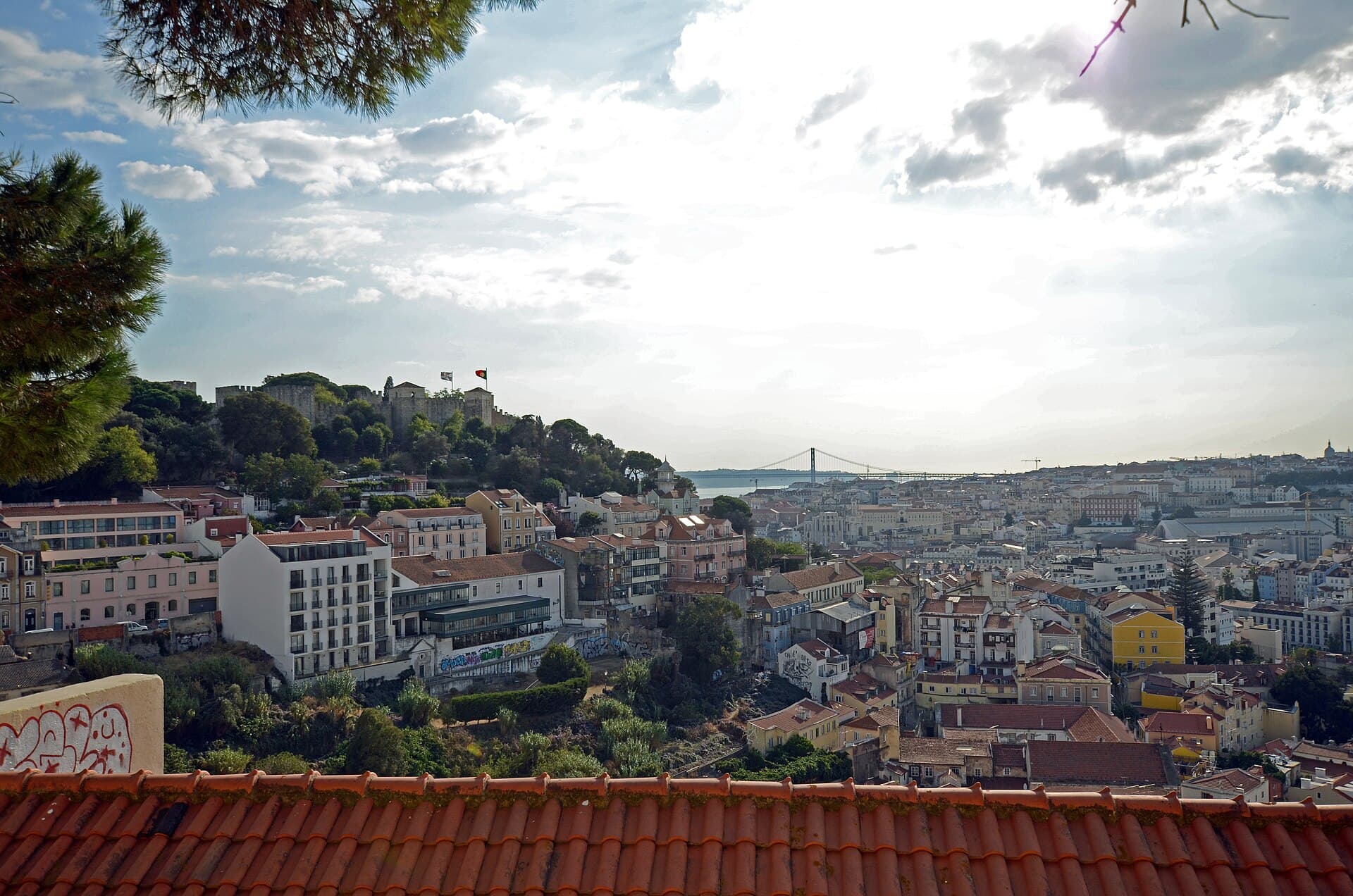
Photo: Neil, CC BY 2.0
At a glance
- Best time
- March–May and September–October; July and August are the hottest, busiest and most expensive months
- Days needed
- 3 days for the city, plus a full day for Sintra and a half day for Cascais
- Getting around
- Metro, buses, trams and the Sintra and Cascais trains all run on a €0.50 navegante card; zapping credit makes a Carris or Metro ride €1.72 (2026 fares)
- Good for
- Food lovers on a budget, viewpoint walkers, fado fans and easy day trips by train
- Skip if
- Steep cobbled hills and stairs are a real problem, because most of the historic lifts that softened them are closed
- Historic lifts
- Glória, Bica, Lavra and Santa Justa out of service since September 2025; the Graça funicular reopened on 30 April 2026
- Tourist tax
- €4 per person per night, charged for up to 7 nights
In this guide
Overview
Lisbon is a hilly, walkable river city where the best things are cheap and mostly outdoors: hilltop viewpoints, neighborhood tascas, fado in small bars, and an easy train ride to the palaces of or the coast. When travelers come home disappointed, they mostly describe queues: for Tram 28, the Santa Justa lift, the Pastéis de Belém counter and Sintra's .
Getting up the hills is the big change for 2026. Since the Glória funicular derailed on 3 September 2025, the Glória, Bica and Lavra funiculars and the Santa Justa lift have stayed out of service. Glória is due an all-new installation planned for 2029, and no reopening dates have been confirmed for the other three (RFM, September 2026). The exception is the Graça funicular between Mouraria and Graça, which reopened on 30 April 2026 and runs daily from 7am to 9pm (Carris). Plan routes that flow downhill and wear shoes with grip.
This guide suits first-timers who want the classics without the traps, food-focused travelers who would rather eat at a tasca than from a picture menu, and anyone planning Sintra and Cascais by train.
Skip or swap
Most of the "overrated" complaints about Lisbon are really about queues, and each one has a nearby swap.
Skip: Waiting for the Santa Justa lift or the Glória and Bica funiculars. Instead: the Graça funicular, or walk. All four historic lifts have been out of service since September 2025 (RFM), yet some "things to do" lists updated in 2026 still tell readers to ride Santa Justa and the Bica (The Broke Backpacker). The Graça funicular links Rua dos Lagares in Mouraria with Largo da Graça daily from 7am to 9pm (Observador) and costs €4.30 for two trips on board (Carris).
Skip: Queuing for Tram 28 as a sightseeing ride. Instead: walk the Alfama stretch, and ride the 28 only as transport to Campo de Ourique. Travel writers describe it as slow and overcrowded, with long lines and a reputation for pickpockets (The Geographical Cure). A ride costs €3.30 if you pay on board but €1.72 with zapping credit (Carris fares). For a short vintage-tram loop, the 12E circles from Martim Moniz through Figueira (Carris).
Skip: The Pastéis de Belém line. Instead: . Mes Prestiges calls the Belém queue "a pilgrimage, not a verdict on quality" and points to Manteigaria's Belém branch a short walk away with no wait, or its Chiado flagship (Mes Prestiges). Eat the tarts warm, on the spot.
Skip: The Time Out Market at peak meal times. Instead: . Rough Guides admits the Time Out Market is touristy but says it delivers (Rough Guides), while The Geographical Cure finds it always crowded (The Geographical Cure). Campo de Ourique has the same food-hall format with mostly local diners (Do Eat Better).
Skip: Picture-menu restaurants on Rua das Portas de Santo Antão. Instead: a tasca one street over. The street is known for aggressive waiters steering people to their tables (The Geographical Cure). Two minutes away, serves the cheap classics Time Out recommends (Time Out Lisboa), and the hides on the same street.
Skip: Driving up to . Instead: the train plus bus 434. Parques de warns that traffic and parking restrictions affect the Sintra hills and the historic centre, and sells a 24-hour pass for Scotturb buses 434 and 435 at €10.96 (Parques de Sintra). The 434 leaves from outside Sintra station up to four times an hour (Sintra guide).
Best time to visit Lisbon
Go in March–May or September–October. July and August are the hottest, busiest and most expensive months, and November is one of the wettest (Touropia).
Summer heat. August highs typically run 25–32°C, which makes the hills hard work in the afternoon (Wikipedia climate data, 1991–2020 normals). Do the climbing in the morning.
Winter rain. November and December are the wettest months, and the calçada paving turns slick in the rain (Business Insider). The upside is space: Turismo de Lisboa says the Torel garden can be almost yours alone in winter.
Santo António, 12–13 June. The marchas populares parade down Avenida da Liberdade on the night of 12 June from 9pm, followed by street parties in the old neighborhoods, and 13 June is Lisbon's municipal holiday (Observador). Book rooms early for that week.
in peak season. Pena's timed tickets sell out days ahead, so book a dated ticket online before you go (Sintra guide).
Getting around Lisbon
Walk downhill and ride uphill. Buy a €0.50 navegante card at a metro station, load zapping credit, and use it on the metro, Carris buses and trams, and the CP trains to and (Metro de Lisboa fares).
Fares (January 2026). With zapping, a Carris or Metro ride is €1.72; a single Carris/Metro ticket is €1.90; and tapping a contactless bank card at the metro gates costs €1.92 (Metro de Lisboa). Paying on board costs €2.30 on a bus and €3.30 on a tram (Carris).
24-hour tickets. €7.25 for Carris and Metro, or €11.40 including the CP urban trains on the Sintra, Cascais, Azambuja and Sado lines (CP). On a Sintra or Cascais day, the CP version only beats zapping if you add four or five city rides.
From the airport. The Metro's red line starts at the airport; change at Alameda for the green line to Rossio, Baixa-Chiado and Cais do Sodré (Portugal Visitor).
Hills. Only the Graça funicular is running; the Glória, Bica and Lavra funiculars and the Santa Justa lift are closed (RFM). Plan days that start high and work downhill, as one first-time visitor advises (Business Insider).
Trams. Carris changed the 28E and 12E routes in 2025 during street works (Carris) and posts current changes on its homepage, so check before planning around a tram.
To Sintra and Cascais. Sintra trains leave Rossio about every 20 minutes and take 40 minutes (Sintra guide); Cascais trains leave from Cais do Sodré (CP). A return to either costs €5.10, or €2.05 per trip with zapping (CP fares).
Where to stay in Lisbon
Stay in Baixa or Chiado on a first trip. Baixa is the flat, walkable grid beside Rossio station for trains, and Chiado has more charm and is Earth Trekkers' top pick for first-time visitors (Earth Trekkers).
Baixa. Flat and central, but very touristy, and every outing to Alfama, Chiado or Príncipe Real starts with an uphill walk.
Chiado. More character than Baixa, with few big sights of its own but most of them within walking distance.
Alfama. One of the most charming neighborhoods, but hilly, with stair climbs to the castle, awkward to get in and out of, and almost no parking.
Bairro Alto. Bars and restaurants at your door, and loud at night; read recent hotel reviews for noise if you're a light sleeper.
Avenida da Liberdade. Quieter and much less touristy, with easier parking, but a metro or taxi ride from the old centre.
Budget for the tax. Lisbon charges €4 per person per night for up to seven nights, so €28 at most per stay (DECO PROteste).
Where to eat and drink in Lisbon
Eat at tascas and markets rather than on the tourist streets around Rossio, book the famous places ahead, and say no to the couvert if you don't want it. Time Out Lisboa's 2026 list of the city's 100 best restaurants is full of tascas and neo-tascas, from 's old-fashioned prices to (Time Out Lisboa). Most of the picks below cluster in the Baixa and Mouraria for cheap lunches and in Chiado and Bairro Alto for dinner and drinks.
A Provinciana (Baixa). A small tasca on Travessa do Forno, on the city's historic-shops list, that pours wine from the barrel and serves good, cheap food quickly (Lojas com História). Time Out lists classics such as alheira with egg, grilled baby squid and bitoque at under €8 and says to arrive early (Time Out Lisboa); 2foodtrippers recommends the grilled carapau and Tuesday's chanfana, and says to bring cash.
(Baixa). A tiny counter at Rua da Madalena 146 serving bifanas, Lisbon's pork sandwich, with a draught beer; it is closed on Sundays and draws long lines the rest of the week (2foodtrippers). One Business Insider writer queued about 45 minutes and found it overhyped (Business Insider), so go outside the lunch rush or move on if the line is long.
(Chiado). Old-school Portuguese cooking with a modern twist, with the day's dishes on a chalkboard (Rough Guides, Lisbonlux). Time Out mentions the croquettes, bacalhau and iscas and says to book; Rough Guides says to come early or risk the wait.
O Velho Eurico (Mouraria). "The most famous of Lisbon's neo-tascas", in Time Out's words (Time Out Lisboa), a loud, young room on Largo de São Cristóvão serving dishes such as bacalhau à brás and pork cheeks (Rough Guides). Book well ahead: walk-ins go on a waitlist, and it serves lunch and dinner Wednesday to Sunday plus dinner on Tuesday (Mensagem de Lisboa).
(Intendente). The seafood beer hall that became a global phenomenon after Anthony Bourdain's visit (Time Out Lisboa). Order the garlic clams and giant prawns (Rough Guides); Lisbonlux warns that queuing is unavoidable.
(Sé). A farm-to-table restaurant by the cathedral whose short menu follows what small producers bring in (Time Out Lisboa), such as octopus, Alentejo pork and razor clams in season (2foodtrippers). The splurge on this list.
(Chiado). The custard-tart bakery Time Out sends readers to first (Time Out), with tarts baked in small batches at Rua do Loreto 2 and best eaten warm at the counter (Mes Prestiges).
and (Príncipe Real and Amoreiras). Two collector's bars opened by Luís Pinto Coelho. Procópio, open since 1972 down an alley at Alto de São Francisco, is a classic late-night meeting point for locals where every drink comes with popcorn (The Infatuation); Lisbonlux says it closes on Sundays (Lisbonlux).
(Bairro Alto). A small, poster-covered tavern that Time Out calls a sacred stop for fado vadio, the informal, amateur fado (Time Out Lisboa). In Your Pocket lists fado sessions on Mondays and Wednesdays from 9pm, and both say to arrive early because it fills up (In Your Pocket).
(Cais do Sodré). Lisbon's African-music institution, in a riverside building at Cais do Gás, for kizomba, funaná and coladeira (Travel Noire). Turismo de Lisboa lists it Friday and Saturday 10:30pm–4am and Sunday 7pm–2am (Turismo de Lisboa).
Day trips from Lisbon
and are both under an hour by urban train, and the same navegante card works for both.
Sintra. Trains leave Rossio about every 20 minutes and take 40 minutes; take one before 9am, because the station is busiest from 10am to noon (Sintra guide). Pena is the headline and the busiest: the essential palace visit is €20 and the park alone €12, with a mandatory date when you buy online (Parques de Sintra). Monserrate (€12) is the quiet alternative, and the Convent of the Capuchos (€11) is another of the Sintra hidden gems on Explorial's list. Bus 434 runs from the station to Pena and bus 435 to Monserrate (CP).
Cascais. Urban trains leave Cais do Sodré and run along the coast with views of the Estoril beaches (CP), and a return costs €5.10 (CP fares). CP also sells a combined ticket that covers the Cascais line and entry to Cascais's museum quarter for 24 hours.
Common mistakes
The same handful of mistakes comes up again and again in traveler reports, and each has an easy fix.
Eating the couvert, then disputing it. Bread, olives and butter brought to the table unasked can't be charged if you didn't request them and didn't touch them, but once you eat them you pay (DECO PROteste). Send them back when you sit down and check the bill.
Wearing smooth soles. The calçada stones turn slick in the rain and the hills are steeper than they look (Business Insider). Wear shoes with grip and plan routes that flow downhill.
Counting on a historic lift. The Glória, Bica and Lavra funiculars and the Santa Justa lift are closed (RFM), even though some lists still recommend them.
Buying from street "dealers". Police told Reuters that what sellers offer tourists in the historic centre is often bay leaves, flour or ground paracetamol, and that sellers can turn aggressive when a buyer loses interest (Reuters via The Jakarta Post). Keep walking.
Paying on board every time. A tram ride costs €3.30 on board but €1.72 with zapping on a €0.50 card (Carris fares).
Arriving at Pena mid-morning without a ticket. Online tickets require a date (Parques de Sintra), timed slots sell out days ahead in busy months, and Rossio station is most crowded from 10am to noon (Sintra guide).
Packing the day too tightly. Distances that look short on a map take longer on Lisbon's hills, so leave buffers between plans (Business Insider).
Lisbon itineraries
One day
Ride the Graça funicular up from Rua dos Lagares and walk down through Alfama. Have lunch at (booked) or , then step into the courtyard on Rua das Portas de Santo Antão and climb from nearby Rua do Telhal to for the view. With the Glória funicular closed, take a taxi up to Bairro Alto for a drink at , then, on a Monday or Wednesday, fado vadio at .
Two days
Day one as above. On day two, start at the Gulbenkian museum and garden (check its opening days first), then head to Campo de Ourique for a weekday lunch at the market. Ride Tram 28 from the Prazeres end across the city in the afternoon, then have dinner at (booked) and a nightcap at .
Three days
Add . Catch a train from Rossio before 9am, take bus 434 to Pena with a dated ticket bought online, then return to the station for bus 435 to Monserrate and a quiet afternoon in its gardens. Back in Lisbon, finish with seafood at (expect a queue) or, on a Friday or Saturday, kizomba at . With a fourth day, take the coastal train from Cais do Sodré to .
Lisbon FAQ
Are Lisbon's funiculars and the Santa Justa lift running?
Not the historic ones. The Glória, Bica and Lavra funiculars and the Santa Justa lift have been out of service since the Glória derailment in September 2025, and Glória is due a new installation planned for 2029. The Graça funicular reopened on 30 April 2026 and runs daily from 7am to 9pm, at €4.30 for two trips on board.
Is Tram 28 worth it?
Only on your terms. Travel writers describe long lines, overcrowding and pickpockets, so ride it as transport toward Campo de Ourique rather than queuing for a sightseeing loop. Load zapping credit first: €1.72 a ride instead of €3.30 on board.
Do you have to pay for the bread and olives?
Only if you eat them. Portuguese rules say unrequested items, couvert included, can't be charged if you didn't ask for them and didn't touch them, but anything you eat is billable. Send them back when you sit down.
How can you visit Sintra without the crowds?
Take a train from Rossio before 9am, buy a dated Pena ticket online, and use bus 434 instead of driving, since traffic and parking are restricted in the hills. Spend the afternoon at Monserrate, which the local guide calls the least visited of 's main sights.
Which area is best to stay in?
Baixa or Chiado for a first trip: central, close to the metro, and near Rossio station for Sintra. Alfama is charming but hilly and awkward to reach, and Bairro Alto is loud at night.
How much is Lisbon's tourist tax?
€4 per person per night since 1 September 2024, charged for up to seven nights, so €28 at most per stay. Stays for medical treatment, plus one companion, are exempt.
Ready for Lisbon, Portugal?
Plan the trip, add it to one you're building, or save this guide for later.
Sources and how this guide was made
I haven't been to Lisbon yet. This guide is built from 70 sources, from first-time visitors' reports and travel blogs to local food and news sites and official city, transport and attraction pages, cross-checked on 4 November 2026. Every hidden gem had at least three independent recommendations, and every restaurant and bar had at least two.
RFM: What happened to Lisbon's historic lifts, a year after the Glória accident
Carris: The Graça funicular has opened
Observador: Graça funicular extends its hours
Turismo de Lisboa: Miradouro do Torel
Time Out Lisboa: Jardim do Torel
Love from Portugal: Jardim do Torel
Lojas com História: Pavilhão Chinês
Time Out Lisboa: Lisbon's most beautiful bars
Lisbonlux: The most beautiful bars in Lisbon
HR Portugal: Portuguese bars in the 2025 European Bar Guide
Culinary Backstreets: Casa do Alentejo
The Blond Travels: Casa do Alentejo
Bonjour Lisbonne: Casa do Alentejo
Lisbonlux: Mercado de Campo de Ourique
Portugal.com: Lisbon's top 14 markets
Do Eat Better: Mercado de Campo de Ourique guide
Time Out Lisboa: The Gulbenkian Museum reopens
Lisboa Cool: The Gulbenkian Garden
Parques de Sintra: Opening times and prices
Parques de Sintra: Works at the Palace of Monserrate
Parques de Sintra: 24-hour bus pass and traffic restrictions
Sintra-Portugal: Sintra's palaces compared
Sintra-Portugal: Lisbon to Sintra by train
AFAR: Monserrate Palace and Gardens
Time Out Lisboa: The best tascas in Lisbon
Time Out Lisboa: The 100 best restaurants in Lisbon, 2026 update
2foodtrippers: The best restaurants in Baixa
Rough Guides: Where to eat in Lisbon
Lisbonlux: Lisbon's hottest tables
Mensagem de Lisboa: O Velho Eurico
Mes Prestiges: The pastel de nata, away from the Belém queue
Time Out Lisboa: Lisbon's best fado houses
In Your Pocket: A Tasca do Chico
Turismo de Lisboa: African Lisbon route
DECO PROteste: What restaurants may charge for
DECO PROteste: Municipal tourist taxes
Metro de Lisboa: 2026 fares (PDF)
CP: Lisbon urban train fares, 2026 (PDF)
CP: 24-hour Carris/Metro/CP ticket
Observador: Lisbon celebrates Santo António, 2026
The Geographical Cure: What to skip in Lisbon
Business Insider via AOL: What a first-time visitor wished they had known
Reuters via The Jakarta Post: Lisbon's fake-drug sellers
Have a question about planning this trip? Ask it in the community.
Get the next trip guide
New destination guides and videos, roughly monthly. No spam, unsubscribe anytime.