Travel question
3 Days in Tulum: Ruins, Cenotes and Cobá Before the Crowds
Researched from traveler reports
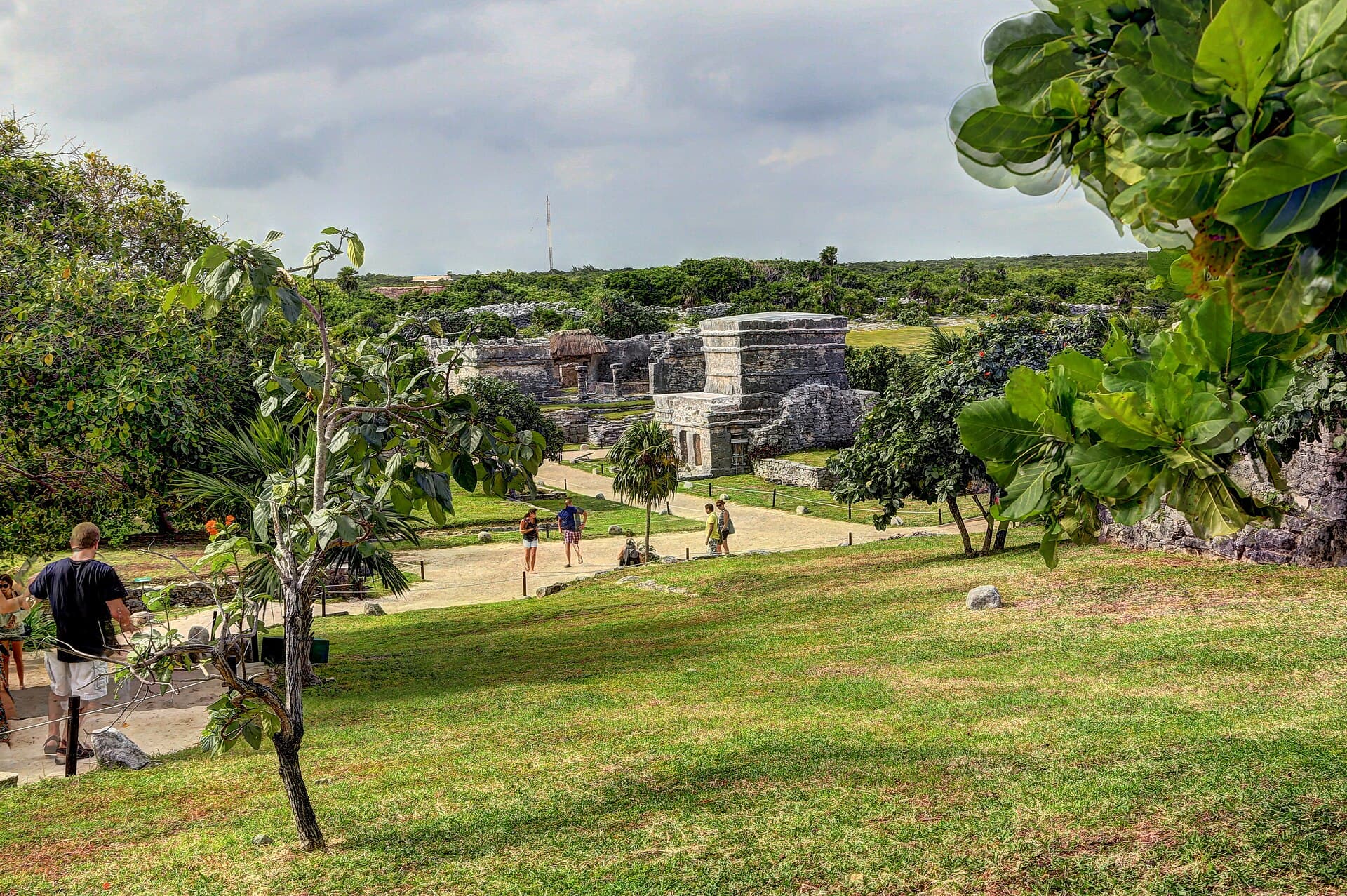
Photo: Bruce Tuten from Savannah, Georgia, United States, CC BY 2.0
Three days is enough for Tulum if each day has one early anchor and a slow afternoon: the ruins at 8 am on day one, cenotes on the Cobá road on day two, and Cobá's tall pyramid, which you can climb again since December 2025, on day three. Eat in Tulum Pueblo each night and keep the beach as a flexible afternoon, because sargassum decides it.
Why this order works
Each day is built around the one thing that gets crowded or hot, done first. Travelers consistently say the Tulum ruins are packed by about 10 am, Gran Cenote fills once the tour vans arrive, and Cobá is a long, shadeless walk by early afternoon. Doing those at opening time and resting after lunch is the difference between a good trip and three tired days. Staying in Tulum Pueblo rather than the beach road keeps dinners cheap and puts you near the buses and colectivos; our Tulum travel guide has the taquerías and night stalls worth building evenings around.
Day 1: the ruins at opening, then the beach
Be at the gate for 8 am. The archaeological zone is open daily from 8 am to 5 pm with last entry at 4 pm, according to the Tulum Times (updated July 2026), and Boundless Roads describes it as full by about 10 am. Allow about two hours: Boundless Roads suggests roughly an hour with a guide and another to walk around.
Expect two payments, and ignore older price lists. Since 20 July 2026 the ruins sit inside the Parque del Jaguar, and a federal decree published that month sets the fees for 2026 and 2027: foreign visitors pay 100 pesos for the Parque del Jaguar plus a combined 165 pesos for the national park and the archaeological zone, 265 pesos in all. Mexican visitors pay nothing for the Jaguar park and 80 pesos for the rest from Monday to Saturday, with Sunday exemptions for Mexicans and foreign residents. Blog posts written before July still quote 415 to 500 pesos; that was the old structure. An optional electric shuttle inside the park costs 20 pesos per adult. Bring pesos (checked October 2026).
Afternoon: beach or nap, then the pueblo. After the ruins, travelers head to the beach for a few hours, then back to town for dinner. A taxi between the pueblo and the beach runs about 120 to 150 pesos each way per Boundless Roads; agree the fare before you get in, since there is no Uber in Tulum and overcharging is the most common complaint.
Day 2: cenotes on the Cobá road
Do two cenotes in the morning, not five. Gran Cenote is about 4 km from town on the road to Cobá, and Calavera is about five minutes from town on the same road, so the pair works by bike or a short taxi ride. The Tulum Times (October 2026) lists Gran Cenote at about 500 pesos with snorkel gear and Calavera at about 300 pesos; one longtime Mexico resident at Boundless Roads calls Gran Cenote overpriced for what it is and suggests quieter cenotes such as Cristalino or Escondido instead. All of these are cash at the gate.
Arrive at opening, and pack the right sunscreen. Most cenotes open around 8 or 9 am and the tour vans come later. Only biodegradable sunscreen is allowed, most require a rinse in the shower first, and regular sunscreen, makeup or bug spray can get you turned away.
Rent the bike for the day. Boundless Roads puts bike rental at about 150 to 200 pesos a day. The same guide warns against riding the beach road after dark: it is poorly lit with a narrow shoulder. Spend the hot hours in town, and eat at one of the guide's taco spots that night.
Day 3: Cobá and the pyramid you can climb again
Nohoch Mul is open for climbing again. INAH, Mexico's archaeology institute, reopened the 42-metre Nohoch Mul, the tallest structure in the northern Maya area, on 7 December 2025 with a new wooden staircase. Climbing had been suspended since 2019 because tourist traffic had worn down the original steps. Wear shoes with grip; it is a steep climb in heat.
Leave Tulum by 8 am. Cobá is about 45 minutes inland. INAH's 2026 entry fee for Cobá is 209 pesos for the general public, with nationals and accredited residents paying half and free entry for them on Sundays. Colectivos and buses to Cobá leave from Tulum Pueblo near the ADO station, but returns thin out in the afternoon, so ask about the last one before you set off.
Swap option. If you have already seen pyramids, the guide's Chichén Itzá day trip (about 2½ hours each way by car) replaces Cobá. If cenotes are the highlight for you, our Mérida and Yucatán cenotes guide covers the inland cenotes worth a longer trip.
If the sargassum is in
Swap the beach afternoon for a second cenote. Sargassum on this coast peaks from spring into summer; in 2026 the state's monitoring network said the peak was June and July, with a decline expected through November and December, though local wash-ups were still possible in October. A weekly tracker rated Tulum "moderate" for the week of 12 October 2026 and advised against swimming there that week. Check the state's sargassum traffic light or a satellite-based tracker the day before, not the month before.
Planning Tulum, Mexico?
Save Tulum to a free trip and drop these three days, plus the guide's taco spots for each evening, straight into your plan.
Quick answers
When is sargassum worst in Tulum?
In 2026 Quintana Roo's monitoring network put the peak in June and July, with the season declining into November and December. Wash-ups can still happen in October, so check a current report the day before a beach afternoon.
Is it better to stay in Tulum Pueblo or on the beach road for three days?
For a ruins-cenotes-Cobá plan, the pueblo is more practical. Colectivos, buses and bike rentals are there, food is far cheaper, and you only take a taxi to the beach on the afternoons you want it.
Do I need a car for three days in Tulum?
No. The ruins and the nearer cenotes on the Cobá road are reachable by bike or taxi, and Cobá by colectivo, bus or tour. A car mainly helps if you add Chichén Itzá or want to visit several cenotes in one day.
Is three days in Tulum too long?
Not if you use the mornings. Two days covers the ruins and a cenote, but a third day is what makes Cobá or Chichén Itzá possible without rushing.
When to go, where to stay, what to skip: the rest is in the Tulum, Mexico travel guide.
Sources and how this article was made
I haven't been to Tulum yet. This itinerary is built from the federal fee decree, INAH's own bulletin and fee news, Tulum local press, a longtime Mexico resident's Tulum guide and sargassum monitoring reports, checked on 21 October 2026. Prices change; confirm at the gate.
DOF decree setting Parque del Jaguar and Tulum archaeological zone fees, 17 July 2026 (SIDOF)
INAH Boletín 657: new staircase opens Nohoch Mul at Cobá (7 December 2025)
Riviera Maya News: INAH doubles entrance fees for Tulum and Cobá in 2026
Uno TV: INAH raises archaeological site prices in Quintana Roo for 2026
The Tulum Times: Tulum ruins tickets and Parque del Jaguar fees
The Tulum Times: Tulum ruins opening hours
The Tulum Times: The best cenotes in Tulum
Boundless Roads: Tulum itinerary for first-timers
Mexico News Daily: October sargassum arrivals as the seasonal decline begins (5 October 2026)
How Is The Sargassum: weekly conditions report, 12 October 2026
Get the next trip guide
New destination guides and videos, roughly monthly. No spam, unsubscribe anytime.