Reiseführer
Tokio, Japan Reiseführer
Recherchierter Reiseführer
Maschinell aus dem Englischen übersetzt · Original ansehen
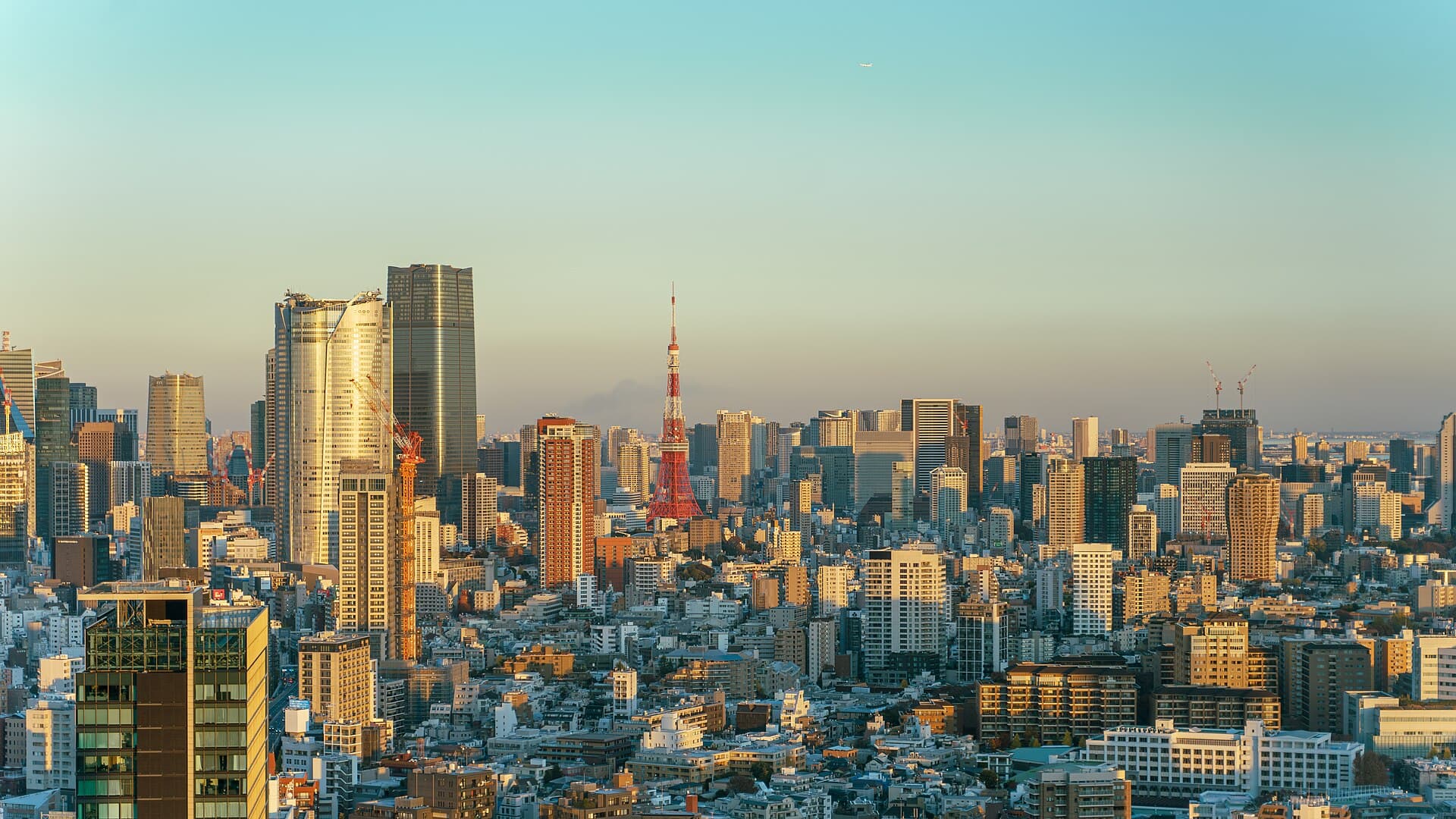
Photo: David Kernan, CC BY 4.0
Auf einen Blick
- Best time
- late March to early April for cherry blossoms (first bloom was 19 March in 2026), or October to November for autumn rose festivals
- Days needed
- 4 to 5 days for the city, plus a day trip
- Getting around
- an IC card (Suica or PASMO) or a contactless bank card on the subway; Tokyo Subway Ticket ¥1,000 for 24 hours since March 2026
- Good for
- first-timers, food lovers, gardens, jazz bars and izakaya alleys
- Skip if
- you want empty cherry-blossom parks on a peak-bloom weekend
- JR Pass
- 7-day Ordinary ¥53,000 since 1 October 2026; it does not pay off for a Tokyo-only stay
- Tax-free shopping
- from 1 November 2026 you pay tax at the till and claim it back at customs when you leave
In diesem Reiseführer
Überblick
Tokyo is an easy first big-city trip once three things are settled: where to stay, how to pay for trains and when to come. This guide answers those first, then points to the gardens, old neighborhoods, soba houses and bars that local guides and repeat visitors keep naming.
The first-trip regrets that come up most often are practical: buying a Japan Rail Pass that a Tokyo-only stay never uses, arriving in cherry-blossom season without a room, and losing mornings to queues at and famous food counters. The JR Pass now costs ¥53,000 for seven days, so getting the transport question right matters more than it used to.
It suits first-timers with four or five days, food-focused travelers and anyone happy to walk. Tokyo works best as a group of districts linked by the JR Yamanote loop and the subway, so plan each day around one or two neighborhoods.
Lieber auslassen – und stattdessen
Most swaps here trade a pass, a queue or a closed attraction for something that serves a first trip better.
Skip: a Japan Rail Pass for a Tokyo-only trip. Instead: an IC card, plus a Tokyo Subway Ticket on heavy sightseeing days. The 7-day Ordinary pass has cost ¥53,000 since 1 October 2026 and covers JR trains, not the Tokyo Metro, Toei subway or private lines. Forum regulars on Tokyo Cheapo and the JRPass.com forum say it saves nothing inside Tokyo. The Tokyo Subway Ticket has cost ¥1,000 for 24 hours, ¥1,500 for 48 and ¥2,000 for 72 since 14 March 2026.
Skip: Robot Restaurant, Kawaii Monster Café and Oedo-Onsen Monogatari. Instead: an evening set at . All three closed during the pandemic, as Time Out reported in 2022, yet they still appear on popular "things to do" lists, including one updated in 2025.
Skip: and Nakamise at midday. Instead: Senso-ji before 7:30am, or Shibamata's Taishakuten. Guides report the crowds building by 8am at weekends and 9am on weekdays, and most Nakamise shops open around 9am. The temple grounds never close; the main hall opens at 6:00 (6:30 from October to March).
Skip: at midday on a peak-bloom weekend. Instead: arrive at 9:00, or walk the Chidorigafuchi moat. In 2026 the garden required timed tickets between 10:00 and 16:00 on its two peak weekends, alcohol is banned, and entry is ¥500. Chidorigafuchi's evening light-up ran from 26 March to 6 April in 2026.
Skip: paying for an observation deck just for the view. Instead: the free . Both decks are on the 45th floor, 202 m up, free and open until 22:00 (last entry 21:30). The South deck closes on the first and third Tuesdays, the North on the second and fourth Mondays.
Skip: treating as Tokyo's only bar alley. Instead: in Kichijoji or beside Shibuya Station. Golden Gai has more than 270 bars and eateries and Time Out notes it has grown pricier; the other two are smaller, and Time Out calls Harmonica Yokocho a locals' haven.
Beste Reisezeit für Tokio
Come in late March or early April for cherry blossoms, or from mid-October to November for the autumn rose festival and the chrysanthemum show. Either way, book your room months ahead.
Cherry blossoms. The Japan Meteorological Agency opens Tokyo's season when its sample tree at Yasukuni Shrine has at least five open flowers. In 2026 that happened on 19 March, five days earlier than in 2025, and full bloom was forecast for 25 March. Dates move every year, so keep your dates flexible and follow the forecasts, which start appearing in December.
Book early. Truly Tokyo warns that hotels for the late-March to mid-April cherry season and for November's autumn colors book out months in advance.
Autumn. holds its autumn rose festival from 10 October to 6 November 2026, and 's chrysanthemum exhibition runs from 1 to 15 November, when the garden also opens on Mondays.
Mondays. Shinjuku Gyoen (outside the cherry and chrysanthemum periods), the and all close on Mondays, so use the day for , or Shibamata.
Unterwegs in Tokio
Use an IC card or a contactless bank card on the subway, keep the IC card for JR lines, and buy a Tokyo Subway Ticket only for days packed with subway rides.
IC cards. Regular Suica and PASMO cards are sold at station ticket machines for a refundable ¥500 deposit. Welcome Suica, sold at limited locations, has no deposit but expires after 28 days, taking any balance with it; the Welcome Suica Mobile iPhone app lasts 180 days. iPhone users can also add Suica or PASMO to Apple Pay, while Android options are mostly for Japan residents (japan-guide, July 2026).
Tap-to-pay. Tokyo Metro, Toei, Odakyu, Keio, Tokyu, Keikyu, Yurikamome and Tsukuba Express accept contactless credit cards at all or most stations, but JR (including the Yamanote Line), Keisei (the Narita trains) and the Tokyo Monorail (to Haneda) do not. Both ends of a trip must accept it, each traveler needs their own card, and most companies don't offer child fares this way (japan-guide, September 2026).
Tokyo Subway Ticket. Unlimited Tokyo Metro and Toei subway rides for ¥1,000 (24 hours), ¥1,500 (48 hours) or ¥2,000 (72 hours), prices that took effect on 14 March 2026. It does not cover JR lines.
JR Pass. At ¥53,000 for seven days, it only makes sense if your trip includes long Shinkansen journeys. JR passes are not valid on the Tobu trains to Nikko.
Rush hour and last trains. Trains are packed roughly 7 to 9am and 6 to 8pm, and most lines stop between midnight and 1am, restarting around 5:30am. Taxis are expensive, especially between midnight and 5am. On escalators, stand on the left.
Übernachten in Tokio
Stay near a JR Yamanote Line station. Tokyo Station and Marunouchi suit day-trippers, Shinjuku and Shibuya suit night owls, and Ueno or Asakusa are the budget and old-town picks.
Tokyo Station, Marunouchi and Ginza. Truly Tokyo's top pick for first-timers in 2026: the best transport links, including the Shinkansen, a polished and calm feel and good food, though it is quiet and business-like at night. Ginza, a short walk away, is more upscale.
Shinjuku. The biggest hub, with nightlife, shopping, a huge choice of hotels and buses toward the Mount Fuji area. Guides warn that the station is tiring to navigate and the east side can feel overwhelming; West Shinjuku is calmer.
Shibuya. Slightly less overwhelming than Shinjuku, with good shopping and food, though the station area is almost always crowded.
Ueno. On the Yamanote Line, with average prices, traditional inns and Shinkansen heading north, and the Keisei line from Keisei-Ueno makes it the easiest base for Shibamata.
Asakusa. The traditional, lower-budget base, with ryokan and guesthouses near . It is served by the subway rather than the Yamanote Line, so trips to Shinjuku and Shibuya take longer.
Essen und Trinken in Tokio
Tokyo's best-value meals come from single-dish specialists: soba, tsukemen, tonkatsu, onigiri and okonomiyaki, mostly under ¥3,000 a head, with queues at the famous ones. Older places are often cash only, and izakaya and bars often add a small table charge or an appetizer (otoshi) to the bill.
(Kanda). Handmade soba since 1884 in a 1924 building; order soba with tempura prawns, bring cash, and avoid Sundays and Mondays.
(Shinjuku south). Tsukemen with a thick chicken-and-fish dipping broth for ¥1,000. There are 15 counter seats, no reservations and a queue day and night, and it closes when the soup runs out.
(Meguro). Tonkatsu since 1939 with only two choices, lean hire or fatty rosu, fried in an open kitchen you watch from the counter. Time Out priced a set at ¥2,300 in 2024. It opens at 16:00 and closes on Tuesdays and the third Monday of the month.
Yamariki (Morishita). A long-running izakaya known for nikomi, beef tendon simmered in miso and served with garlic-rubbed baguette, plus yakiton skewers and French wines. It opens 17:00 to 22:30, closed Sundays and holidays, and people queue before opening. Older guides send the overflow to its annex, but the annex has closed.
(Nishi-Asakusa). Okonomiyaki on tatami floors in a wooden house that has served it since 1937 by most accounts. You grill your own at the table and staff will show you how. There is no air-conditioning, and it closes on Tuesdays and Wednesdays.
(Otsuka). A nine-seat counter that turns out about 1,200 rice balls a day, from ¥400 each. Queues often last hours, so arrive early.
(Tsukiji). About 460 food shops and stalls; go between 9:00 and 13:00 and avoid Wednesdays, Sundays and holidays, when many close. Eat at the stall where you buy, since eating while walking is not allowed, and bring cash.
(Ryogoku). About 100 taps of mostly Japanese craft beer, with a ¥300 table charge; closed Mondays.
(Kichijoji). Tiny bars and eateries in a post-war alley; gyoza at Minmin is the classic first stop.
(Shibuya). Bars and yakitori counters in an early-1950s alley beside Shibuya Station, some seating only four or five people. Tokyo Weekender noted in September 2026 that Shibuya's redevelopment is closing in on its remaining bars.
(Shinjuku). More than 270 bars and eateries in seven narrow lanes; it is the famous, busier option, and some bars charge a cover.
(Shinjuku). Live jazz in afternoon and evening sets, with one drink included in the charge.
Tagesausflüge ab Tokio
is the easiest half day, Kamakura the classic full day and Nikko the long one, and none of them needs a JR Pass.
Kawagoe. About 30 minutes from Ikebukuro by Tobu Tojo Line express. Its old warehouse streets center on Toki no Kane, a wooden bell tower that still rings at 6:00, 12:00, 15:00 and 18:00, and Tobu sells foreign visitors a one-day Kawagoe Discount Pass at Ikebukuro.
Kamakura. Just under an hour from Tokyo Station on the JR Yokosuka Line. The Great Buddha at is a seven-minute walk from Hase Station on the Enoden line and opens at 8:00. Odakyu's Enoshima-Kamakura Freepass from Shinjuku is the cheaper but slower way there.
Nikko. About two hours from Asakusa by Tobu limited express, from ¥2,850 one way (japan-guide, November 2025). JR passes are not valid on Tobu trains, but pass holders can go via Utsunomiya in about 100 minutes. Start early: Tobu lists Toshogu shrine as closing at 16:00 from November to March.
Häufige Fehler
Most first-trip mistakes are about transport and timing, and each has a simple fix.
Buying a JR Pass for a Tokyo-only trip. At ¥53,000 for seven days it only pays off with long Shinkansen journeys. Use an IC card and, on busy days, the Tokyo Subway Ticket.
Assuming a contactless card works on every train. JR lines including the Yamanote, Keisei's Narita trains and the Tokyo Monorail to Haneda don't take it. Keep a loaded IC card as a backup.
Missing the last train. Most lines stop between midnight and 1am. Check your last train before a night in or , because taxis are expensive after midnight.
Riding at rush hour with luggage. Avoid roughly 7 to 9am and 6 to 8pm on weekdays when changing hotels or heading to the airport.
Booking cherry-blossom week late. Rooms for late March to mid-April, and for November, book out months ahead.
Relying only on credit cards. is cash only, and most stalls don't take credit cards.
Eating on the move and hunting for bins. Eating while walking is frowned on, and banned at Tsukiji Outer Market, and public bins are scarce, so carry your rubbish.
Missing the new tax-free rules. From 1 November 2026 shops charge the full price including tax, and you claim the refund at customs when you leave Japan, before checking in for your flight. Consumables no longer need sealed bags, but anything used in Japan doesn't qualify, and you have 90 days to take purchases out.
Praktische Tipps für Tokio
Departure tax. Since 1 July 2026 Japan charges ¥3,000 per international departure, usually added to your airfare.
Working out. The in Sendagaya lets visitors aged 15 and over use its training gym and pools for ¥700 per 2.5 hours (bring indoor shoes), and in Shibaura charges non-residents ¥800.
Street smoking. Smoking on the street is prohibited, and fines can apply outside designated smoking areas.
Reiserouten für Tokio
One day
Start at before 7:30, then walk to in Nishi-Asakusa for okonomiyaki when it opens at noon (not Tuesdays or Wednesdays). Take the subway to Kiyosumi-Shirakawa for and a coffee, then continue to Ryogoku for the , reopened in March 2026, and finish with craft beer at . Both close on Mondays, so do this day on any other day.
Two days
Day one as above. On day two (not a Sunday, Monday or Wednesday), browse from 9:00, have soba at for lunch and spend the afternoon at . Head to Nishi-Shinjuku for the free view from the at dusk, then tsukemen at or the evening set at .
Three days
Add the west side: the in Koganei Park (closed Mondays), then ride the JR Chuo Line back to Kichijoji for gyoza at Minmin and a bar crawl in . With more time, swap in a weekday morning at and an early tonkatsu dinner at in Meguro, or a half day in Shibamata.
FAQ zu Tokio
Is the JR Pass worth it for a Tokyo trip?
Not for Tokyo alone. Since 1 October 2026 the 7-day Ordinary pass costs ¥53,000, and it covers JR trains, not the subways. Use an IC card or a contactless card instead, and price a pass only if you are adding long Shinkansen trips.
Should I get a Suica or PASMO, or just use a credit card?
Suica and PASMO are both IC cards for Tokyo's trains and subways. Contactless credit cards now work on the subways and most private lines, but not on JR lines such as the Yamanote, Keisei's Narita trains or the monorail to Haneda, so keep an IC card as well. Visitors can buy a Welcome Suica (no deposit, valid 28 days) or add Suica or PASMO to Apple Pay.
When do the cherry blossoms bloom in Tokyo?
Usually in late March. In 2026 the Japan Meteorological Agency declared first bloom on 19 March, five days earlier than in 2025, with full bloom forecast for 25 March. Forecasts start in December, and the dates shift every year, so keep your plans flexible.
Which area should a first-timer stay in?
Somewhere on or near the JR Yamanote loop. Tokyo Station and Marunouchi are best for day trips and a calm base, Shinjuku or Shibuya for nightlife, and Ueno or Asakusa for lower prices and an older feel.
How does tax-free shopping work from November 2026?
From 1 November 2026, shops charge the full price including tax and record your passport. You then claim the refund at customs when you leave Japan, before checking in for your flight, and you have 90 days to take the goods out.
What is the easiest day trip from Tokyo?
, about 30 minutes from Ikebukuro by Tobu express. Kamakura is just under an hour from Tokyo Station on the JR Yokosuka Line, and Nikko is about two hours from Asakusa by Tobu limited express.
Bereit für Tokio, Japan?
Plane die Reise, füge sie einer Reise hinzu, die du gerade planst, oder speichere den Reiseführer für später.
Quellen und wie dieser Reiseführer entstand
I haven't been to Tokyo yet. This guide is built from more than 150 sources, from traveler reports and forums to local guides, news stories and official sites, cross-checked on 27 October 2026. Opening hours and prices come from the places' own sites or their most recent listings, and anything I couldn't confirm is left out.
Todoroki Valley Park reopening notice, Setagaya City
Todoroki Valley trail reopens after three years, Akita Sakigake Shimpo
Shibamata area guide, Tokyo Weekender
Kyu-Furukawa Gardens autumn rose festival 2026, Tokyo Metropolitan Government
Kyu-Furukawa Gardens spring rose festival, GO TOKYO
Edo-Tokyo Open Air Architectural Museum, GO TOKYO
Edo-Tokyo Open Air Architectural Museum, Tokyo Weekender
Guide to Harmonica Yokocho, Time Out Tokyo
Shinjuku Pit Inn schedule and prices
28 best cheap eats in Tokyo, Time Out Tokyo
Tsukiji Outer Market guide, GO TOKYO
A guide to exploring yokocho alleyways, GO TOKYO
Japan Rail Pass price increase, JNTO
Some common tourist misconceptions about Tokyo, Tokyo Cheapo community forum
Travel within Tokyo, JRPass.com forum
Tokyo Subway Ticket price revision, Tokyo Metropolitan Government
Credit card tap payment on trains, japan-guide.com
The 2026 cherry blossom season has begun, Time Out Tokyo
Shinjuku Gyoen admission and hours, Ministry of the Environment
Sakura Festival in Chiyoda, GO TOKYO
Tokyo Metropolitan Government Building observatories, GO TOKYO
Where to stay in Tokyo, Truly Tokyo
Best areas to stay in Tokyo, Kanpai
Popular attractions that closed during the pandemic, Time Out Tokyo
Edo-Tokyo Museum reopening, Tokyo Metropolitan Government
Changes to tax-free shopping, JNTO
Japan's International Tourist Tax increase, JNTO
15 mistakes tourists make in Tokyo, LIVE JAPAN
Getting to Kawagoe, japan-guide.com
How to get to Kamakura, japan-guide.com
Getting to Nikko, japan-guide.com
Hast du eine Frage zur Planung dieser Reise? Stell sie in der Community.
Hol dir den nächsten Reiseführer
Neue Reiseführer und Videos, etwa einmal im Monat. Kein Spam, jederzeit abbestellbar.