Guía de viaje
Bonaire Guía de viaje
Guía investigada
Traducido automáticamente del inglés · Ver original
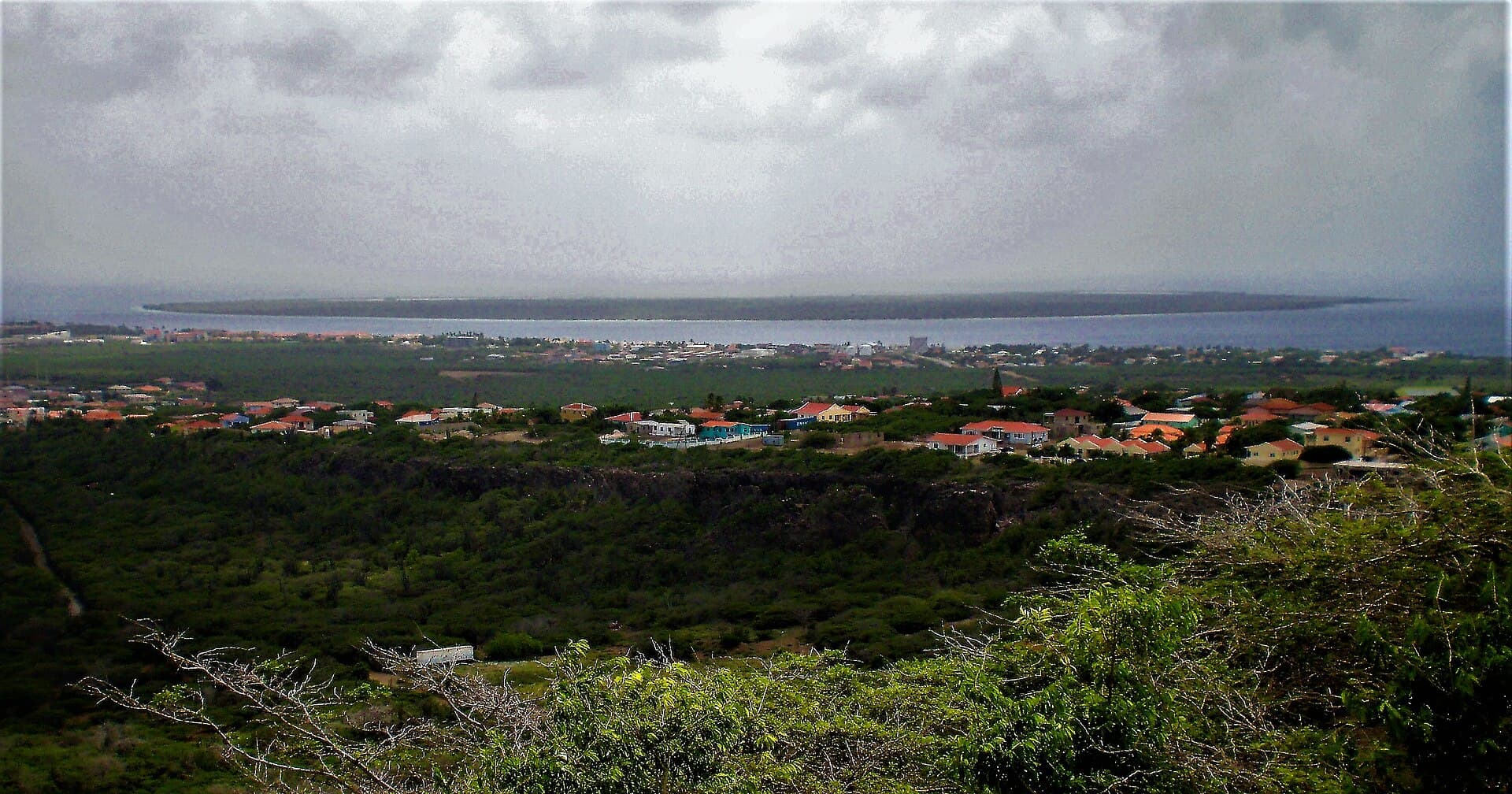
Photo: Ulises Icardi, CC BY-SA 4.0
De un vistazo
- Best time
- March to June is driest; October to January brings short showers, with November the wettest month
- Days needed
- 3 days for the highlights, longer if you plan to dive every day
- Getting around
- Rental car or pickup truck; there is little public transport
- Fees
- $75 visitor entry tax per visit, plus a $40 STINAPA nature tag for anyone 13 or older who enters the sea
- Good for
- Shore snorkelers and divers, windsurfers, travelers who like quiet
- Skip if
- You want long soft-sand beaches or a party scene
- Sea temperature
- About 25°C (78°F) in February to 28°C (83°F) in September
En esta guía
Panorama general
Bonaire is the quiet, dry island of the ABCs, part of the Caribbean Netherlands, and the main event is underwater. Numbered, marked snorkel and dive sites line the coast road, and many are entered straight from shore inside the protected Bonaire National Marine Park.
It suits divers, snorkelers and windsurfers far better than beach loungers. Travelers who came without diving plans describe it as "more desert island than tropical," with few beaches and not much going on, while divers in the same forum thread praise its clear water and healthy reefs.
Plan around a few rules that catch first-timers: a $75 visitor entry tax, a $40 nature tag for anyone who goes in the sea, and a national park that stops admitting visitors at 2:30pm. Nearly half of January 2026's stayover visitors came from the Netherlands, according to Tourism Corporation Bonaire figures reported by Caribbean Journal.
Qué evitar y qué hacer en su lugar
Most regrets on Bonaire come from timing and expectations rather than bad places.
Skip: Judging the reefs by the sites right off Kralendijk. Instead: Drive farther up the coast road to the north. A January 2025 study of stony coral tissue loss disease in Frontiers in Marine Science found the steepest drop in coral cover around Kralendijk, with City Limits and among the most affected areas and the north relatively stable. A diver's January 2025 trip report says the same: the town reef looked poor, and health improved farther from town.
Skip: The when a ship is in. Instead: or Te Amo on the drive back toward town. Diving and snorkeling at the Salt Pier, part of a working salt facility, are only allowed when no ship is docking. Both swaps have straightforward entries from the beach and reefs with plenty of fish.
Skip: Washington Slagbaai as an afternoon add-on. Instead: Be at the gate at 8am, Tuesday to Sunday, in a high-clearance pickup. STINAPA stops admitting visitors at 2:30pm, closes the park on Mondays and holidays (and after heavy rain), recommends at least 30 cm of ground clearance, and bans ATVs, golf carts, scooters and e-bikes. Diving isn't allowed inside the park. If the timing doesn't work, the drive past , where flamingos gather especially from January to June, and on to Rincon gives you a taste of the north.
Skip: Bonaire for a soft-sand beach holiday. Instead: Compare [our Aruba guide](/travel-guide/aruba). Non-divers in a 2022 travel-forum thread found "not many beaches and they aren't very impressive" on an island that is "more desert island than tropical," while the same thread calls Bonaire an ideal diving destination.
Mejor época para visitar Bonaire
Any month works, because Bonaire is hot and dry all year; choose by rain, wind and water temperature. Long-term (1971 to 2000) averages from the Meteorological Department Curaçao put daytime highs between about 29.5°C (85°F) in January and 32°C (89°F) in September, with only 463 mm (18 in) of rain a year.
Driest months. March to June average 13 to 15 mm of rain a month, with fewer than three rainy days.
Wettest stretch. October to January is the rainy season. November averages 96 mm (3.8 in) over about 11 rainy days, but on average it rains for less than four hours on a rainy day.
Water and wind. The sea averages about 25.4°C (78°F) in February and 28.1°C (83°F) in September. Wind peaks in June and is lightest in October and November.
Dates to know. Rincon Day (Dia di Rincon) on April 30 is a public holiday, with events building through April, and Nos Zjilea fills on the last Saturday of every month. If you arrive in late December and stay into January, note that the nature tag runs by calendar year, January 1 to December 31.
Cruise days. The Bonaire Reporter prints the cruise schedule; its April 2025 list included ships carrying up to 4,683 guests, and the downtown craft market opens for cruise days, so save town errands and waterfront lunches for ship-free days.
Cómo moverse por Bonaire
You need a car: Bonaire has little public transport, and the snorkel and dive sites are spread along the coast road. Drive on the right, and book early for holiday periods.
Car or pickup. A pickup or SUV handles the rough, unpaved roads outside town better than a small car, and Washington Slagbaai's rangers can turn away low vehicles (the park recommends 30 cm of clearance). One January 2025 trip report paid $930, insurance included, for a pickup rented at the airport for a 10-night dive trip.
Taxis. Private taxis charge official government rates, and public transport is minimal.
. Water taxis leave from on the Kralendijk waterfront and take about ten minutes to cross.
Flights. As of February 2026, US nonstops come from Miami (American), Atlanta (Delta), and Newark and Houston (United); JetBlue ended its New York JFK route on January 3, 2026. If you're combining islands, see our Curaçao guide.
Qué hacer en Bonaire
Beyond the gems, Bonaire's big sights are mostly outdoors and come with rules worth knowing before you go.
. The northern park has about 34 km of dirt roads, with a long route of about two hours or a shorter one, and beaches along the western shore. Bring your nature tag, don't swim alone, and leave the scuba gear behind.
. The islet off Kralendijk is ten minutes away by water taxi from ; the 2025 coral study counted it among the areas hardest hit by coral disease.
. Sponges and corals cover the pier's pillars, and snorkelers and divers find tarpon, barracuda and turtles in about 5 to 15 meters of water, but only when no ship is docking.
Flamingos. , the saltwater lagoon near Rincon, has flocks particularly from January to June; there are only a few places to pull over on the narrow road. Entering the southern flamingo reserve is strictly prohibited, so watch from the roadside.
Seru Largu. This hill in the north is the island's best lookout, with views south over Kralendijk.
. The east-coast bay is where travelers learn to windsurf and kitesurf, and its mangroves can be explored by kayak.
Dónde alojarse en Bonaire
Stay in or near Kralendijk if you want to walk to dinner; pick Belnem in the south for easy beach access, a dive resort if tanks matter most, or if you're there to windsurf.
Kralendijk. Restaurants and bars cluster along the waterfront boulevard and Kaya Grandi, from and Karel's pier to and .
Dive resorts. If diving is the point, a package keeps tanks and gear sorted: one diver writes that Buddy Dive "really caters to diving," and a January 2025 trip report recommended the quiet Tropical Divers Resort after paying $1,250 for a 10-night dive package with free nitrox (no breakfast).
Belnem and Punt Vierkant. South of the center, this stretch puts you near , the and at Delfins Beach Resort, and one adventure blogger notes plenty of private rentals south of Kralendijk.
Sorobon and Lac Bay. On the east side, the windsurf centers, Sorobon Beach Resort and suit people who want wind and quiet more than a choice of restaurants.
Rincon. The island's oldest village, inland in the north, is the base for local food at and and for , but you'll drive to most dive sites.
Dónde comer y beber en Bonaire
Eat Krioyo (local creole) food at least once: slow-cooked stobá stews, goat, fresh fish and iguana with funchi, tutu or rice, served at snèks and family places that keep short hours. Kralendijk's waterfront has the polished seafood and sunset tables, and Rincon is the lunch stop on any drive north.
(Tera Kora). Stobá and goat stew at one of the best-known local snèks; weekend lunch only.
(Rincon). Stewed goat, chicken, fish and iguana on a hilltop terrace with homemade tamarind juice; open 11am to 6pm, closed Tuesdays and Thursdays.
(Rincon). A small local spot known for Bonaire-style chicken; The Bearleaders' chef-picked guide suggests it as the lunch stop when exploring Rincon and , and a diver who ate there several times found it good, friendly and inexpensive.
(Kralendijk waterfront). Very fresh tuna, lionfish, wahoo and snapper on the boulevard, with fishing boats docking across the road.
. Dockside sunset tables over the water; Caribbean Journal points to the tuna trio and the barracuda with trout caviar, and Sunday is Italian night.
(Kaya Grandi). A garden restaurant with a big beer list, fish from the daily market and small plates that work for lunch; one diver called it pricey but worth it.
(Delfins Beach Resort). The splurge: Michelin-starred chefs Jonnie and Therese Boer's restaurant, first in Caribbean Journal's 2025 ranking, known for a theatrical meal and its signature "Egg Caviar."
(Kaya Grandi). Stobá, mojitos and Thursday salsa.
(Kralendijk waterfront). A bar on pilings at the end of a wooden pier: fish burgers, tuna tacos and bitterballen with a rum punch while the water taxi comes and goes. The deck fills as the sun goes down.
(). The windsurfers' bar at Jibe City, with cocktails and tapas daily and a Thursday table barbecue that needs a reservation.
(Rincon). A short, informal tour and a tasting of its cactus liqueur.
Food trucks and markets. often has a food truck (Kite City or Stoked). Marshe di Playa, the Saturday-morning local market next to Warehouse Supermarket on Kaya Industria, sells local delicacies, crafts and produce; listings give 8am to noon and 9am to 1pm, so go before noon.
Errores comunes
The most common first-trip problems are paperwork, theft from cars and timing, and all of them are easy to avoid.
Showing up without the tax and tag. The $75 visitor entry tax is meant to be declared and paid online before you fly, and the $40 STINAPA nature tag covers everyone 13 or older who goes in the sea, swimmers included. Sort both before you board.
Leaving valuables in the car at shore sites. Theft from parked cars is the complaint that never goes away: a 2022 traveler warns thieves "will take anything not bolted down," and The Bonaire Reporter's March 2025 police log lists bags, a wallet and cards taken from cars parked in front of Fort Oranje and in Rincon. Take nothing you'd miss, or lock it out of sight in the trunk.
Going barefoot over rubble. Many entries cross coral rubble or rock shelf, and ledges like Oil Slick Leap are slippery. Booties or sandals you can carry save your feet.
Driving fast on country roads. Donkeys cross roads without warning; in March 2025 a scooter rider was hurt hitting one on the road to Rincon.
Buying the nature tag in December for a January trip. Tags are valid for the calendar year, so one bought in December expires on December 31.
Skipping bug spray at sundown. Mosquitoes come out around dinnertime, and an older diver thread warns that dengue can lay you up for weeks.
Expecting to walk in to dinner. Book the higher-end restaurants ahead, and reserve 's Thursday table barbecue.
Consejos prácticos para visitar Bonaire
A few small habits make a Bonaire trip smoother.
Training on the road. in Hato sells a $15 visitor day pass, $50 week pass and $65 two-week pass, and 's outdoor box at the Bonaire Boat Yard takes $20 drop-ins that include open gym for the day (both prices checked November 2026).
Fees paperwork. Keep your nature-tag receipt handy; Washington Slagbaai requires visitors to have their nature fee with them.
Check the ship schedule. Before a snorkel or a downtown lunch, check whether a ship is in.
Itinerarios por Bonaire
One day
Morning. Start at the if no ship is docked, then work north to and Te Amo for two easy snorkels.
Lunch. Whichever food truck is parked at Te Amo.
Afternoon. Walk Kralendijk's waterfront and take a seat on Karel's pier as the water taxis come and go.
Evening. Seafood at , or if it's a Thursday salsa night.
Two days
Day 1. Follow the one-day plan.
Day 2. Drive north early to Oil Slick Leap for a jump-in snorkel or dive, continue to to look for flamingos, then lunch in Rincon at , or at on any day but Tuesday or Thursday. Taste cactus liqueur at and, from Tuesday to Thursday, stop at after calling ahead. Finish with a sunset table at or dinner in 's garden.
Three days
Days 1 and 2. Follow the two-day plan.
Day 3. From Tuesday to Sunday, be at Washington Slagbaai's gate at 8am in a high-clearance pickup, drive the long route, swim from a western beach with a buddy, and be out before the 5pm close. On a Monday, spend the day at instead and eat at . On a Saturday or Sunday, lunch on stobá at , and save the last Saturday of the month for Nos Zjilea at Mangazina di Rei.
Preguntas frecuentes sobre Bonaire
Do I need the nature tag if I'm only swimming?
Yes, according to STINAPA, which runs the marine park: everyone entering the sea pays the same $40, and swimmers don't pay less. Children under 13 and residents of Aruba, Bonaire, Curaçao, Sint Maarten, Sint Eustatius and Saba with official ID are exempt, and the tag is valid from January 1 to December 31.
Is Bonaire worth it if I don't dive?
It can be if you like snorkeling, wildlife and quiet: easy shore snorkels like Te Amo and , flamingos at , the rugged north in Washington Slagbaai and windsurfing at fill several days. Non-divers in one travel-forum thread found few good beaches and little going on, so compare our Aruba guide if beaches are your priority.
Do I need to rent a car on Bonaire?
Realistically, yes. There's little public transport, the snorkel and dive sites are spread along the coast road, and Washington Slagbaai recommends vehicles with at least 30 cm of ground clearance. Book early for holiday periods.
When is the rainy season on Bonaire?
October to January is wettest, peaking in November at about 96 mm of rain over roughly 11 rainy days, according to long-term Meteorological Department Curaçao averages. Even so, the island gets only about 463 mm a year, and rain typically falls for under four hours on a rainy day.
How much are Bonaire's entry fees?
Budget $75 per person per visit for the visitor entry tax, paid online before you fly, and $40 per person for the STINAPA nature tag if you'll go in the sea. Cruise passengers can pay a one-day $10 nature fee instead.
Which US cities have nonstop flights to Bonaire?
As of February 2026, Caribbean Journal lists American from Miami, Delta from Atlanta and United from Newark and Houston. JetBlue ended its New York JFK service on January 3, 2026.
¿Listo para Bonaire?
Planifica el viaje, añádelo a uno que estés armando o guarda esta guía para después.
Fuentes y cómo se hizo esta guía
I haven't been to Bonaire yet. This guide is built from 48 sources, kept from 59 I checked: diver trip reports and forum threads, local news, Bonaire's tourism board, the STINAPA park authority, the island government's tax site and the Curaçao weather service, cross-checked on 18 November 2026.
STINAPA: Washington Slagbaai National Park
STINAPA: Frequently asked questions
Public Entity Bonaire: Visitor Entry Tax
Meteo Curaçao: Climatological normals for Flamingo Airport, Bonaire
The Bonaire Reporter, April 2 to 16, 2025
Frontiers in Marine Science: Stony coral tissue loss disease on Bonaire's leeward side
Caribbean Journal: The 10 best restaurants in Bonaire for 2025
Caribbean Journal: The overwater bar at Karel's
Caribbean Journal: JetBlue exit leaves Bonaire tourism flat in January
The Bearleaders: Where Michelin-star chefs eat and drink on Bonaire
Tourism Corporation Bonaire: Dinner and dance venues
Tourism Corporation Bonaire: Posada Paramira
Tourism Corporation Bonaire: Te Amo
ScubaBoard: Good, authentic local restaurants on Bonaire
ScubaBoard: Bonaire trip report, January 2025
Sunwise Bonaire: Oil Slick Leap
Snorkeling Report: Te Amo Beach
Atlas and Boots: Things to do in Bonaire
Tiger Droppings travel forum: Anyone been to Bonaire?
¿Tienes una duda sobre cómo planear este viaje? Pregúntala en la comunidad.
Recibe la próxima guía de viaje
Nuevas guías de destinos y videos, más o menos una vez al mes. Sin spam, cancela cuando quieras.