Guide de voyage
Boston, Massachusetts Guide de voyage
Tiré de mon propre voyage
Traduit automatiquement de l'anglais · Voir l'original
En bref
- Best time
- September and October; May–June is a close second
- Days needed
- 3 for the city; add a day for Salem, Concord or Cape Cod
- Getting around
- Walk and ride the T — don't rent a car for the city
- From the airport
- The SL1 Silver Line bus is free inbound from Logan
- Good for
- History on foot, museums, seafood, college towns
- Skip if
- You're coming in January and hate the cold
Dans ce guide
Aperçu
Boston is small, old, and walkable in a way almost no other American city is. The historic core — Beacon Hill, the North End, Downtown, Back Bay — is a couple of square miles you can cross on foot, laid out on streets that predate cars and mostly ignore the grid. Add the T (the country's oldest subway) and you rarely need anything else inside the city.
"Boston" in practice means Greater Boston: Cambridge and Somerville across the river (Harvard, MIT, a lot of the good food), Brookline folded into the middle, and a ring of neighborhoods — Dorchester, Roxbury, Jamaica Plain, East Boston — that are where people actually live and where the city's Caribbean, Cape Verdean, Irish, and Vietnamese communities are.
A note on this guide: I came to Boston in the winter for my older brother's birthday, stayed in an Airbnb in Roxbury, and spent the trip on family and food rather than sightseeing. It was cold. Everything practical below is researched, not lived.
À éviter, et quoi faire à la place
Skip: Cheers as a big stop. Instead: a real neighborhood pub. The Beacon Street bar (formerly the Bull & Finch) only supplied the TV show's exterior shots; the inside doesn't look like the set. The Faneuil Hall replica has closed permanently. Take the photo outside and drink somewhere locals go.
Skip: eating at Quincy Market. Instead: , a few minutes' walk away. Quincy Market is a historic building full of tourist-priced food stalls. The Public Market next to Haymarket is indoor, year-round, and all New England vendors.
Skip: the Top of the Hub. Instead: or the Harborwalk at sunset. Older guides still list the Prudential Tower's Top of the Hub restaurant, but it closed in 2020. The harbor gives you the skyline for free.
Quand y aller
September and October are the best months — warm days, cool nights, thinning summer crowds, and the New England foliage turning through October (peak color is usually mid-to-late month north and west of the city).
Late spring (May–June) is pleasant and green, though it can still turn raw. Summer (July–August) is the busy season: warm, humid, and lively along the harbor and the Esplanade, with everything open and expensive.
The Boston Marathon runs on Patriots' Day, the third Monday of April. The city is packed, hotels are full and pricey, and the marathon route cuts the city in half for the day — a great time to be here if that's why you came, a frustrating one if it isn't.
Winter (December–March) is cold, grey, and cheaper, with real snow and biting wind off the harbor in January and February. Museums, restaurants, and college-town life carry it, but plan indoor days.
Se déplacer
Ride the T. The subway has four main lines — Red, Orange, Blue, and the (partly above-ground) Green — plus the Silver Line bus. Get a CharlieCard or tap a contactless card; fares are a flat couple of dollars. Trains stop running around 12:30–1 a.m.
Walk the core. Beacon Hill, Downtown, the North End, Back Bay, and the Seaport are all within a 30-minute walk of each other. The is literally a painted line on the sidewalk.
From Logan Airport (BOS): the Silver Line (SL1) bus is free heading inbound from the airport and connects to the Red Line at South Station. It's often faster than a car through the tunnels at rush hour.
Don't rent a car for a city stay — parking is scarce and expensive, the streets are genuinely confusing, and local driving is aggressive. Rent one only for a day trip, and pick it up outside the core.
Commuter Rail reaches Salem, Concord, Providence, and the South Shore from North and South Stations.
À faire
The Freedom Trail
A 2.5-mile line, marked in red on the pavement, linking 16 Revolution-era sites from through the Granary Burying Ground, Faneuil Hall, and the North End to the USS Constitution and Bunker Hill Monument in Charlestown. Walk it end to end in a morning, or dip in and out.
The North End
Boston's Little Italy: narrow streets, ("one if by land, two if by sea"), Paul Revere's house, and a running argument over whether Mike's Pastry or Modern Pastry makes the better cannoli. Come hungry.
Museum of Fine Arts & the Isabella Stewart Gardner Museum
The MFA is one of the great encyclopedic museums in the country. The Gardner, a few minutes away, is a Venetian-style palazzo built around a courtyard, left exactly as its founder arranged it — and site of the largest unsolved art heist in history. Anyone named Isabella gets in free.
Fenway Park
The oldest ballpark in Major League Baseball (1912). Take the tour if there's no game; get bleacher seats and a Fenway Frank if there is.
Harvard Square & Cambridge
One Red Line stop across the river. Harvard Yard, the museums (the Harvard Art Museums, the glass flowers at the Natural History Museum), bookstores, and street performers. Walk down Mass Ave toward MIT for a completely different campus.
The Public Garden & Boston Common
Adjoining downtown parks — the Common is the older, scruffier one; the Public Garden has the swan boats (spring–fall), the Make Way for Ducklings statues, and formal planting.
The Seaport & a harbor trip
The Seaport is the newest, glassiest district — restaurants, the Institute of Contemporary Art, and the departure point for harbor cruises, whale watches (spring–fall, out to Stellwagen Bank), and the ferry to the Boston Harbor Islands.
Samuel Adams & Harpoon breweries
Both run tap rooms and tours — Sam Adams in Jamaica Plain, Harpoon on the waterfront.
Où loger
Back Bay
The best base for a first visit: Victorian brownstones, Newbury Street shopping, the Esplanade along the river, and several T stops. Walkable to the Common, the Public Garden, and Fenway.
Beacon Hill / Downtown
Gaslit, cobblestoned, and central — steps from the Common and the . Charming and pricey; limited hotel stock, more short-term rentals.
Seaport
New hotels, harbor views, good restaurants, and the ICA — but it's a built-from-scratch district with less street life than the older neighborhoods, and it's pricey.
Cambridge (Harvard or Kendall Square)
Across the river, on the Red Line. for a college-town feel; Kendall for a modern, tech-district one. Both are 10–15 minutes from downtown Boston by train.
Neighborhoods to know (not hotel districts)
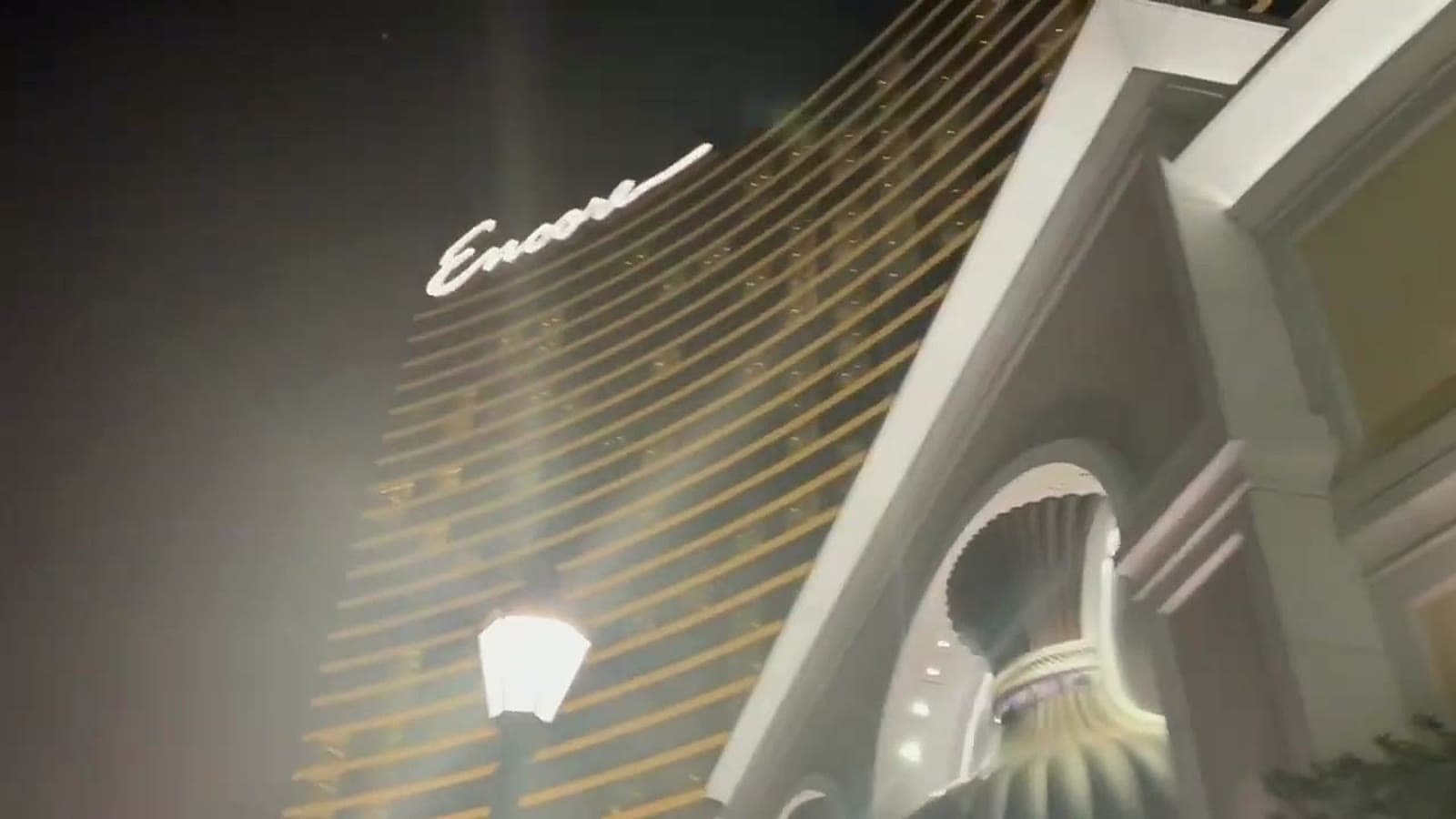
Roxbury, Dorchester, and Jamaica Plain are residential and largely where people live rather than stay — that's where I had an Airbnb — with the city's best Caribbean, Cape Verdean, and West African food. Encore Boston Harbor, a casino resort, sits across the river in Everett and runs its own water shuttle.
Manger et boire
Seafood
The thing to eat. Raw bars (oysters from Wellfleet, Duxbury, Island Creek), New England clam chowder (cream-based, no tomatoes — say that out loud in the wrong place at your peril), fried clams with the bellies, and the lobster roll — served cold with mayo or warm with butter, on a griddled split-top bun. Neptune Oyster in the North End is the small, always-packed favorite; the Union Oyster House is the tourist-famous historic one.
The North End
Red-sauce Italian, by the plateful, plus the cannoli rivalry. Book ahead on weekends; many of the small places are cash-friendly and no-reservations.
The neighborhoods
Dorchester and Roxbury for Cape Verdean, Haitian, Jamaican, and Nigerian food; Dorchester's Fields Corner for Vietnamese; East Boston for Central American. This is where the everyday eating is, and it's cheaper and better than most of downtown.
Dunkin' and Sam Adams
Dunkin' started in Quincy, just south of the city, and functions as regional infrastructure. Samuel Adams is the hometown beer; the JP tap room is the one with the tour.
Excursions à la journée
Salem (~30 minutes by Commuter Rail)
The 1692 witch-trial history is the draw, and the town leans all the way into it — especially through October, when Salem becomes a month-long Halloween festival and gets genuinely mobbed. Underneath the kitsch it's a handsome old seaport with the excellent Peabody Essex Museum. Go on a weekday, and not in October if you can help it.
Concord & Lexington (~40 minutes)
Where the Revolution started — Minute Man National Historical Park, the Old North Bridge, and the homes of Emerson, Thoreau, Alcott, and Hawthorne, plus Walden Pond.
Cape Cod (~1.5–2 hours)
Beaches, dunes, and lighthouses. Best late spring through early fall; summer weekend traffic over the bridges is legendary — leave early or midweek. Provincetown, at the tip, is worth the full drive.
Portsmouth, NH & Portland, ME (~1 to 2 hours north)
Two walkable New England port cities — Portsmouth for a compact colonial downtown, Portland for one of the best small food scenes in the country.
Providence, RI (~1 hour by train)
WaterFire on summer nights, a great food city, and Federal Hill for Italian.
Erreurs courantes
Renting a car for a city stay. Parking is scarce and expensive, the streets are confusing, and the T covers almost everything. Rent a car only for a day trip.
Walking the with no plan to get back. It ends at Bunker Hill in Charlestown, two and a half miles from where you started. The MBTA ferry from the Charlestown Navy Yard back to Long Wharf is a cheap, scenic way home.
Missing the last train. The T stops running around 12:30–1 a.m. After that, it's a rideshare.
Booking Marathon weekend by accident. Patriots' Day (the third Monday in April) fills hotels and splits the city in two for the day. Check your dates.
Expecting peak fall color in the city. Boston's own foliage is fine but late. For the classic New England show in October, you need to head north or west.
Conseils pratiques
Dress for swings. New England weather changes fast in every season; layers, and a real coat November through March. Wind off the harbor makes it feel colder than the number.
The T stops around 12:30–1 a.m. Plan the last train, or budget for a late rideshare.
Patriots' Day (third Monday in April) is Marathon Monday — a state holiday, a citywide party, and a logistical mess if you're trying to move across the marathon route. Know if your trip overlaps it.
Jaywalking is the local sport, and drivers expect it — but they also drive assertively, so cross with the crowd and stay alert.
"Wicked" is an intensifier ("wicked cold"), chowder is never red, and a water fountain is a "bubbler" to some. Nobody actually minds if you get it wrong.
Tipping and tax are standard US — 18–20% at restaurants; Massachusetts sales tax is 6.25% and there's no tax on most clothing under $175.
Exemples d'itinéraires
One day
The from Boston Common through the North End (cannoli stop), then the ferry back from Charlestown. Afternoon in the Public Garden and along Newbury Street, dinner in the North End or the Seaport.
Two days
Day two: the or the Gardner in the morning, the nearby, then — a game if there is one, a tour if not.
Three days
Day three: and Cambridge in the morning, the in the afternoon, and sunset on . In summer, swap Cambridge for a ferry to the Harbor Islands.
FAQ
Do I need a car in Boston?
No. The core is walkable and the T covers the rest, including a free inbound Silver Line bus from Logan airport. A car is mostly a parking bill until you leave the city.
How many days do you need in Boston?
Three days covers the , a big museum, Fenway and Cambridge without rushing. Add a fourth for Salem, Concord or a harbor island.
Is the Freedom Trail worth it?
Yes. It's free, self-guided, and it strings 16 real historic sites along a line painted on the sidewalk. Walk it in the morning and take the ferry back from Charlestown.
What's the best month to visit Boston?
September or October: warm days, cool nights, fewer summer crowds and fall color by mid-October. Avoid Marathon Monday in April unless you're there for it.
Is the Cheers bar worth visiting?
Only for the photo. The Beacon Street bar only supplied the show's exterior shots, and the inside doesn't match the TV set.
Prêt pour Boston, Massachusetts ?
Planifiez le voyage, ajoutez-le à un voyage en préparation ou gardez ce guide pour plus tard.
Sources et méthode de ce guide
This guide's core sections come from a winter family trip plus research. The sections above were researched from official sites, local news and traveler reports, and checked on the date shown at the top.
Boston Harbor Islands ferry schedule
Castle Island (National Park Service)
Ways to explore Boston by boat (Boston Magazine)
Voyages à Boston, Massachusetts
Les récits personnels derrière ce guide.

Une question sur l'organisation de ce voyage ? Posez-la dans la communauté.
Recevez le prochain guide de voyage
De nouveaux guides de destinations et vidéos, environ une fois par mois. Pas de spam, désabonnement à tout moment.