Guide de voyage
Londres, Royaume-Uni Guide de voyage
Guide documenté
Traduit automatiquement de l'anglais · Voir l'original
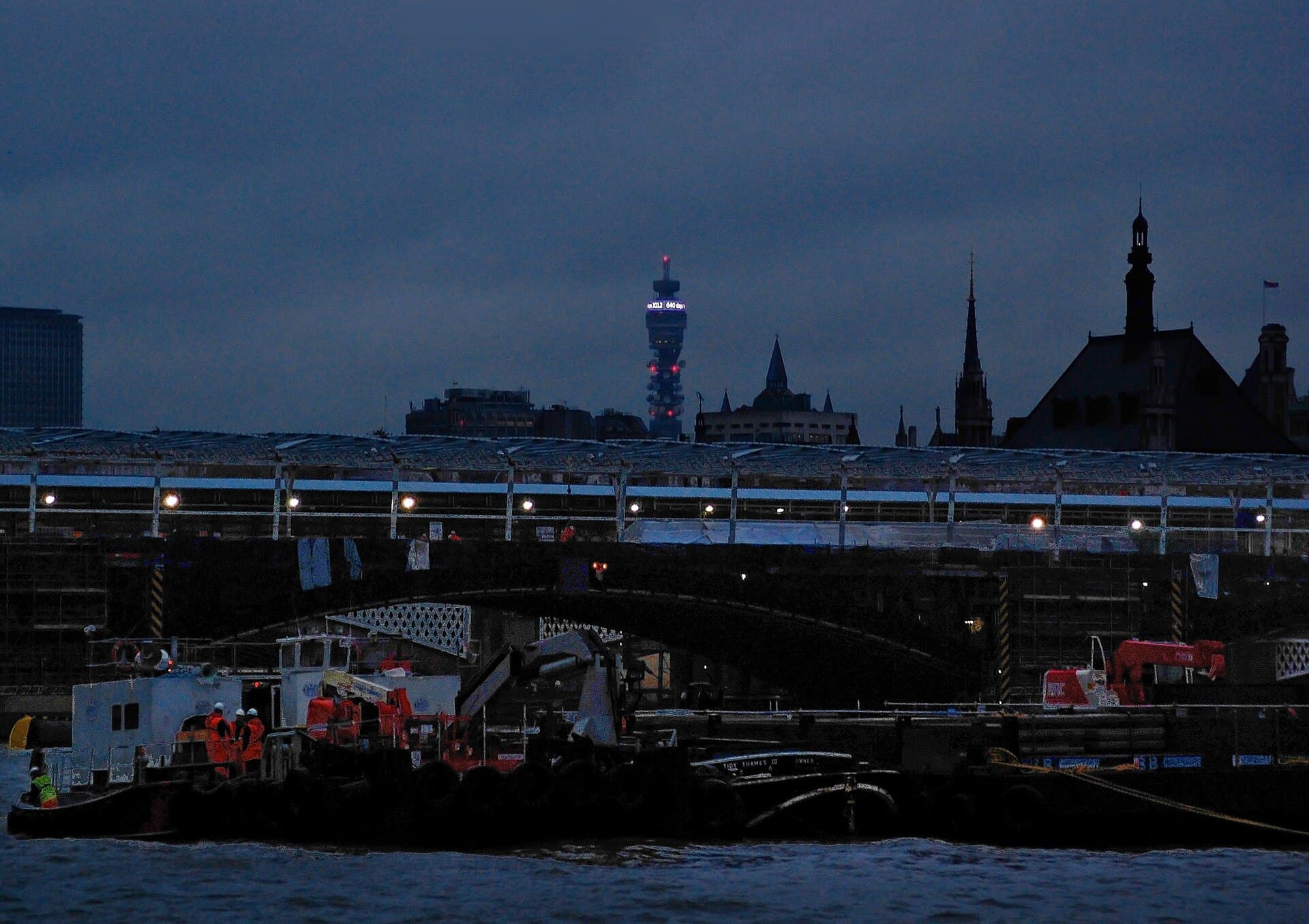
Photo: Donnchadh H, CC BY 2.0
En bref
- Best time
- May to September for long days; any time for museums
- Days needed
- 4–5 to see the headline sights and a few neighborhoods
- Getting around
- Tap a contactless card on the Tube and buses; daily caps apply automatically
- From Heathrow
- Elizabeth line £15.50 vs Heathrow Express £25 (2026)
- Money-saver
- Most major museums are free, and so are the gems below
- Skip if
- You need guaranteed sunshine
Dans ce guide
Aperçu
London is enormous: 32 boroughs spread across a slow bend of the Thames, and a city of distinct neighborhoods rather than one center. First trips tend to cluster in the West End, Westminster and along the South Bank.
The most common complaints in traveler reports are the prices (the , Madame Tussauds, tourist-strip restaurants) and the crowds at the handful of famous spots. The upside is that London has more free, world-class places than almost any city: most major museums charge nothing, and so do the small museums, gardens and walks that Londoners actually recommend.
This guide leads with those, then covers what to skip or swap, and how to get around without overpaying.
À éviter, et quoi faire à la place
Skip: and M&M World. Instead: , a few streets away. Leicester Square tops most "tourist trap" lists for its chain restaurants and crowds. Seven Dials and the Covent Garden back streets have independent shops and better food.
Skip: the as your skyline view. Instead: (free, booked ahead) or at sunset. The Eye is one of London's more expensive tickets and queues can be long. Sky Garden's viewing floors at 20 Fenchurch Street are free but need a timed booking; weekend sunset slots are released about three weeks ahead and go fast.
Skip: the crush at Buckingham Palace. Instead: the Household Cavalry changing guard at . It happens at 11am (10am on Sundays), with smaller crowds and no railings between you and the horses. The Buckingham Palace ceremony only runs on certain days, so check the British Army's schedule before planning around it.
Skip: Madame Tussauds. Instead: any of the free museums above. Reports consistently call it overpriced for what it is.
Quand y aller
May to September brings the longest days (sunset after 9pm around the June solstice), outdoor events, and parks at their best. It's also peak season for hotel prices.
Spring and autumn (April, and September to October) are milder and quieter, and still good for walking.
Winter is grey and dark by 4pm, but it's cheaper, the museums are warm and free, and the Christmas lights and markets run from late November.
It rains year-round, usually in short bursts rather than all day. Carry a light waterproof whatever the season.
Se déplacer
Tap a contactless card or phone. Don't buy an Oyster. Contactless pays exactly the same fares as Oyster and caps automatically: a day of Tube and bus travel in zones 1–2 is capped at £8.90 (2026). A visitor Oyster card adds a non-refundable fee.
From Heathrow: the Elizabeth line costs £15.50 to central London (2026) and takes about 30 minutes to Paddington, then continues through the West End and the City without a change. The Heathrow Express is faster to Paddington but costs £25 and doesn't count toward your daily cap.
Walk between neighboring stations. In the West End, many stops ( and Covent Garden, for example) are closer on foot than by train.
Buses are cheap and scenic: a flat fare, capped with the Tube, with top-deck views. Always stand on the right on Tube escalators.
Où loger
South Bank and Bankside. Along the river, walkable to Westminster, the Tate Modern and the City, with good transport. A strong first-trip base.
Covent Garden and Soho. The center of everything: theatres, restaurants, nightlife. Expensive and noisy, but you'll walk everywhere.
Marylebone and Fitzrovia. Central but calmer, with village-like high streets, the , and Regent's Park and nearby.
King's Cross. Excellent transport (Eurostar, six Tube lines, direct trains to Luton and Gatwick airports) and a rebuilt canal-side district with good restaurants.
Erreurs courantes
Buying an Oyster card or paper tickets. Contactless is the same price and caps itself. The only exception is if your card charges foreign transaction fees.
Using two cards. Caps only apply per card, so tap the same card or phone every time. Switching between your phone and your physical card can mean paying twice.
Paying for views and waxworks. London's free museums and viewpoints are better than most paid ones. Budget for the Tower of London and a show, not the Eye and Madame Tussauds.
Booking on the day. Free slots, especially at sunset, go weeks ahead.
Standing on the left on escalators. Stand right, walk left. Londoners will notice.
Exemples d'itinéraires
One day
Start at the Tower of London when it opens, then walk to and on to St Paul's, with next door. Cross the Millennium Bridge to Tate Modern and walk the South Bank to Westminster. Finish with the view from if you booked it.
Two days
Day two: spend the morning at the and walking Marylebone, then Regent's Park up to for the view. Spend the evening in Soho or .
Three days
Day three: start at and the British Museum, then head north to walk the from Finsbury Park toward Highgate. Or, with kids, go south for the .
FAQ
How many days do you need in London?
Four to five days covers the major sights, the free museums, and time for a couple of neighborhoods. Three days works if you plan by area.
Should I get an Oyster card in London?
Usually not. Tapping a contactless bank card or phone costs the same, caps daily and weekly fares automatically (£8.90 a day for zones 1–2 in 2026), and has no card fee.
What's the cheapest way from Heathrow to central London?
The Tube's Piccadilly line is the cheapest. The Elizabeth line (£15.50 in 2026) is faster and still much cheaper than the Heathrow Express (£25).
What are the best free things to do in London?
The major museums (the British Museum, National Gallery, Tate Modern), plus , the , the Horniman, , the (booked ahead) and the Household Cavalry guard change at .
Is the London Eye worth it?
It's one of the city's more expensive tickets. For the skyline, the free Sky Garden or at sunset give you a comparable view without the queue.
Prêt pour Londres, Royaume-Uni ?
Planifiez le voyage, ajoutez-le à un voyage en préparation ou gardez ce guide pour plus tard.
Sources et méthode de ce guide
I haven't been to London yet. This guide is built from traveler reports and forum threads, London media (Time Out London, Londonist), the Mayor of London's hidden-gems list, the museums' own sites and heritage sources. Every hidden gem was recommended by at least three independent sources and checked as open on 30 September 2026. Fares are from 2026 sources. If something here has changed, tell me in the community.
London's worst attractions: skip these tourist traps (Frommer's)
13 tourist mistakes not to make in London, and alternatives (The Creative Adventurer)
Hidden gems chosen by Londoners (Mayor of London)
10 hidden gems to discover in London (Time Out London)
Sir John Soane's Museum: opening times and tickets
About the Horniman Museum and Gardens
St Dunstan-in-the-East (Wikipedia)
The Wallace Collection (Londonist)
Contactless and daily fare caps in London (London Drum)
Heathrow Express vs the Elizabeth line (Your Mileage May Vary)
Une question sur l'organisation de ce voyage ? Posez-la dans la communauté.
Recevez le prochain guide de voyage
De nouveaux guides de destinations et vidéos, environ une fois par mois. Pas de spam, désabonnement à tout moment.